

The Language of the Skin: Why True Wellness Begins Where Taboo Ends.
By Ehab Soltan
HoyLunes – The light of May entered the HoyLunes newsroom with an almost hurtful impudence, illuminating the empty notebooks of the new interns. Balma was watching me from the edge of her desk with that smile of someone looking for a crack in the armor.
— “Tell us something real”, she blurted out, defying the welcoming protocol. “What was the moment when you felt most out of place?”
My mind did not travel to a misprint. I went back to the aseptic coldness of an auditorium packed with eminences, where Dr. Ramón was reminding us by projecting graphs of systemic inflammation. We were talking about cytokines and metabolic pathways with surgical naturalness, but an unspoken rule was floating in the air: we could dissect the human body, but we should not mention its crudest discomforts. I broke the spell with a question that sounded like breaking glass:
— “And what about what nobody names? What are the causes of ´itching in the vulva and the scrotum´, and why do we continue pretending that an ideal treatment does not exist?”
The silence that followed was not of ignorance, but of recognition. Itching is not a local breakdown; it is a sentinel symptom. The intimate skin is the thermometer of a systemic imbalance; the mirror where our metabolic and environmental chaos is reflected.
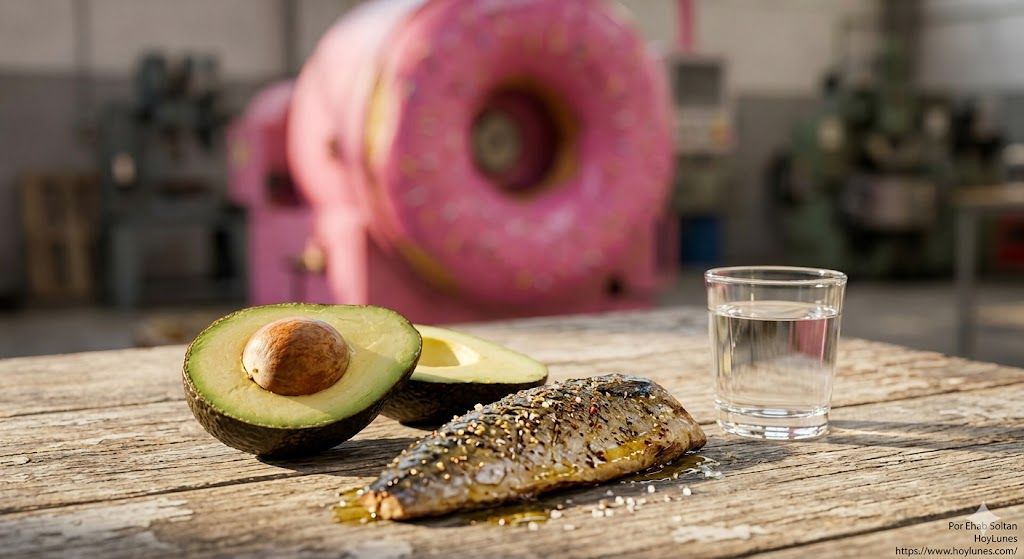
The Insulin Banquet and the “Opportunistic” Host
The key to this fire lies in the glucose dance. Research on the Gut-Skin Axis demonstrates that the consumption of refined flours and ultra-processed sugars not only alters the blood but also changes the chemistry of our secretions.
When insulin resistance triggers ´IGF-1´ levels, keratinocytes grow in a disorderly manner, cracking the lipid barrier. The fungus Candida, always on the lookout, detects this excess sugar and mutates from a harmless yeast to an aggressive form. Itching, therefore, is the messenger of a metabolism that has lost control.
— “So, can an avocado help?” asked ´Claudia´, adjusting her glasses.
— “It is not a magic cure”, I answered, “it is the terrain. To extinguish the fire, we need an anti-inflammatory diet: healthy fats from oily fish, fiber, and fermented foods. We must stop fueling the fire”.
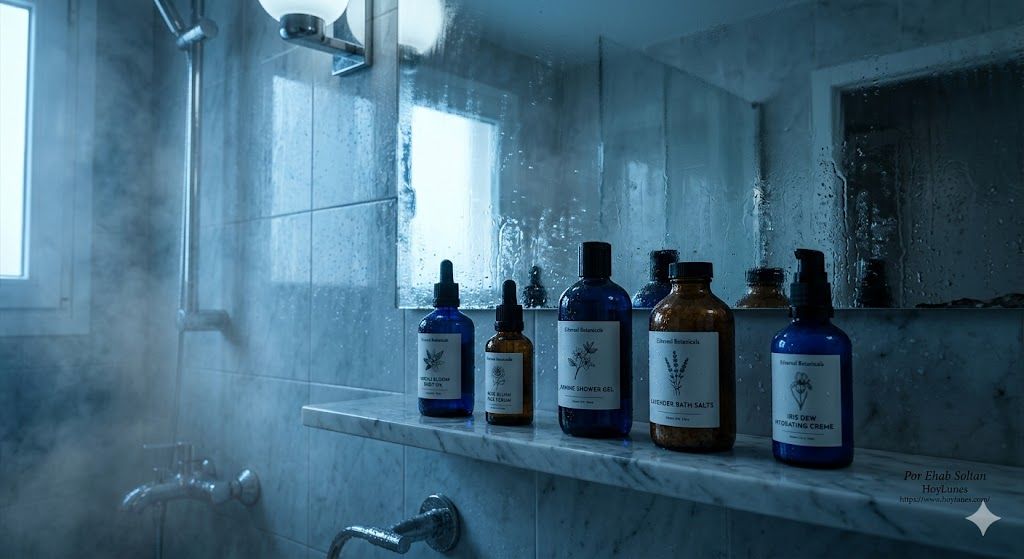
Extreme Cleaning: The Price of an “Aseptic” Body
Mateo, methodical, intervened: — “But it is assumed that it is a lack of cleanliness, right?”
— “On the contrary”, I stated. Studies published in the Journal of Clinical Medicine on the hygiene hypothesis suggest that our obsession with sterility has weakened our defenses. We have fallen into the trap of marketing that sells floral fragrances for zones that should never smell like a garden.
In this eagerness for “perfection”, we add behaviors that for many are automatic: excessive showers that sweep away natural hydration, the use of wet wipes loaded with preservatives, or recurrent full epilation, which eliminates the hair responsible for protecting the skin and reducing friction. For certain more sensitive organisms, these routines, added to gels with inadequate pH, create invisible microfissures.
It is the great irony of our era: we have obsessed so much over scrubbing, disinfecting, and smelling like flowers that we have ended up leaving our skin naked, angry, and defenseless.
Air Engineering: From Asphalt to the Seashore
Lucas, who was wearing tight sports clothes, shifted uncomfortably. — “Does training influence this?”
— “A lot”, I told him”. Dr. Ramón used to call it ‘Air Engineering.’ Our skin is designed to breathe, but the boom of synthetic fibers and tight sports fashion creates a greenhouse effect. When adding sedentarism —spending eight hours sitting in front of the monitor— the local temperature increases drastically.
When summer arrives, the scenario shifts. It is not only the chlorine in pools that dehydrates; it is sea salt drying on the skin, the friction of the sand, and the habit of keeping a wet swimsuit on for hours under the sun. These gestures, although pleasant, can alter the balance of the microbiota in predisposed bodies, converting summer rest into a challenge for the skin barrier.
The atmosphere in the newsroom turned serious. I warned them that, although the foundation is lifestyle, we must not ignore the alarm signals. If wounds, fever, whitish plaques, or intense pain appear, biology has crossed a limit. Clinical dermatology research links persistent pruritus with pathologies such as Lichen Sclerosus or Inverse Psoriasis, which require a specialized diagnosis before the tissue suffers irreversible damage.

Listening to the Skin’s Electrical Urgency
— “So”, concluded Balma, “are you saying that itching is a matter of integrity?”
I nodded. Talking about what itches is, ultimately, talking about how we take care of ourselves in the shadow. It is acknowledging that health begins where taboo ends. There will be no true relief as long as we keep treating the messenger with palliatives instead of attending to the message.
Every time we choose natural fabrics, every time we opt for real food, or simply permit our skin to breathe after a sea bath, we are signing a peace treaty with ourselves. True freedom is not smelling of chemicals, but living in a body that does not need to shout to be heard.
Are we willing to lower the volume of modern noise to attend to what is happening in our own skin?
#SaludMetabolica #PielSana #BienestarIntimo #EstiloDeVida #CienciaYSalud #CuidadoPersonal #InflamacionSilenciosa #BioHacking #EhabSoltan #HoyLunes